From Activation to Release: How Music Therapy Helps Move Anger Through the Body

Suppressing anger and other unpleasant or challenging emotions can lead to a range of unwanted social, physical, and mental health outcomes. Expressing anger within music therapy can help clients to move through the feeling in a healthy way. The music can act as a container, rhythmic movement soothes the nervous system, the right song can provide validation and catharsis, songwriting can help to precisely articulate and express oneself, and the physical act of playing an instrument can provide relief and help complete the stress cycle.

Sometimes, when I am not able to find the words to adequately describe a feeling, I am able to use music to explore it, be with it, feel it deeply, and move through it. For many clients, this process may not come naturally—and that’s okay. Part of my role as a music therapist is to guide and support clients through this experience in a way that feels safe and accessible.

Clients of all ages have expressed appreciation for the boomwhackers (below), which offer a fun and engaging way to engage in rhythmic play —supporting neuroregulation—while also allowing for larger, expressive movements that help release emotion safely and appropriately.
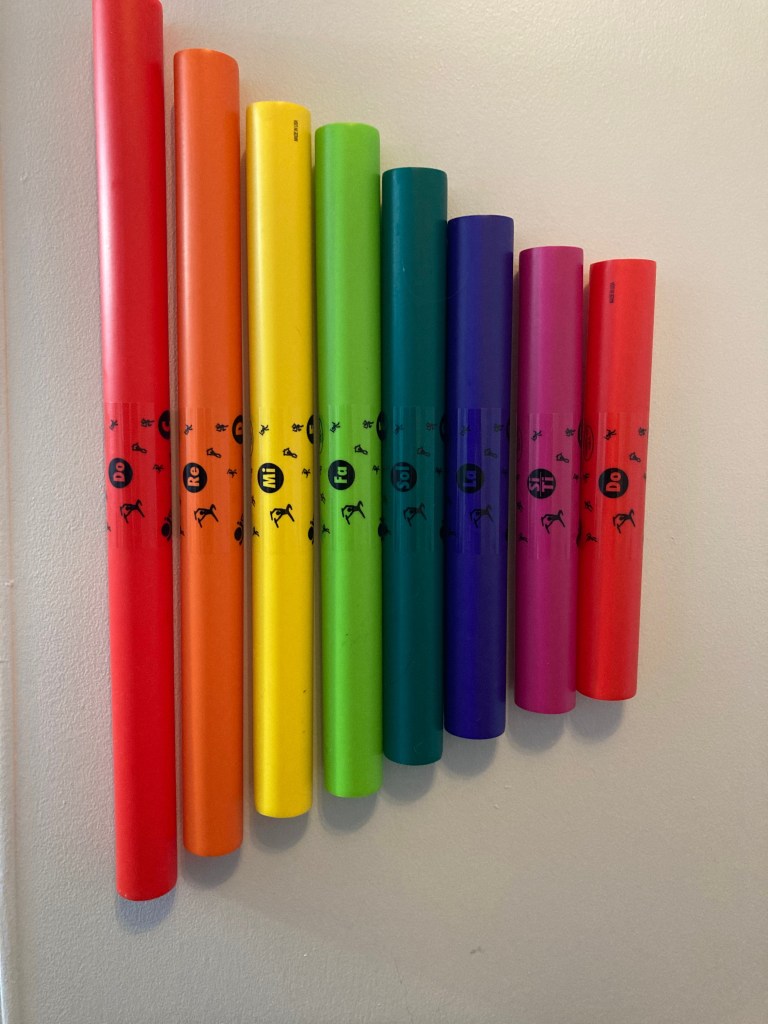
Image of boomwhackers hanging on wall

Likewise, clients can benefit from “playing it out” on whatever other instruments are available in the moment. At times, we even create instruments from objects in our environment, reinforcing creativity, agency, and embodied expression.

Music therapists frequently use live music for this reason. Live music allows us to adapt instantly and continuously to changes throughout a session. Rhythm, tempo, harmony, volume, articulation, melody, genre, and instrumentation can all be modified in real time to best support the client.

Songwriting provides an opportunity to integrate verbal self-expression, to practice precision in the choice of words, and to granularly define the feeling and its contributory factors, if desired. Songwriting can add another layer of agency into the session, and can range from improvisational songwriting (the song is created in the moment, and can stay in the moment, as part of a process of self-expression and transmutation), song transformation (an existing song is amended to suit the needs of the client), creating a song completely from scratch (provides the client with a take-home finished project to cherish as long as they see fit!), and many, many more variations.
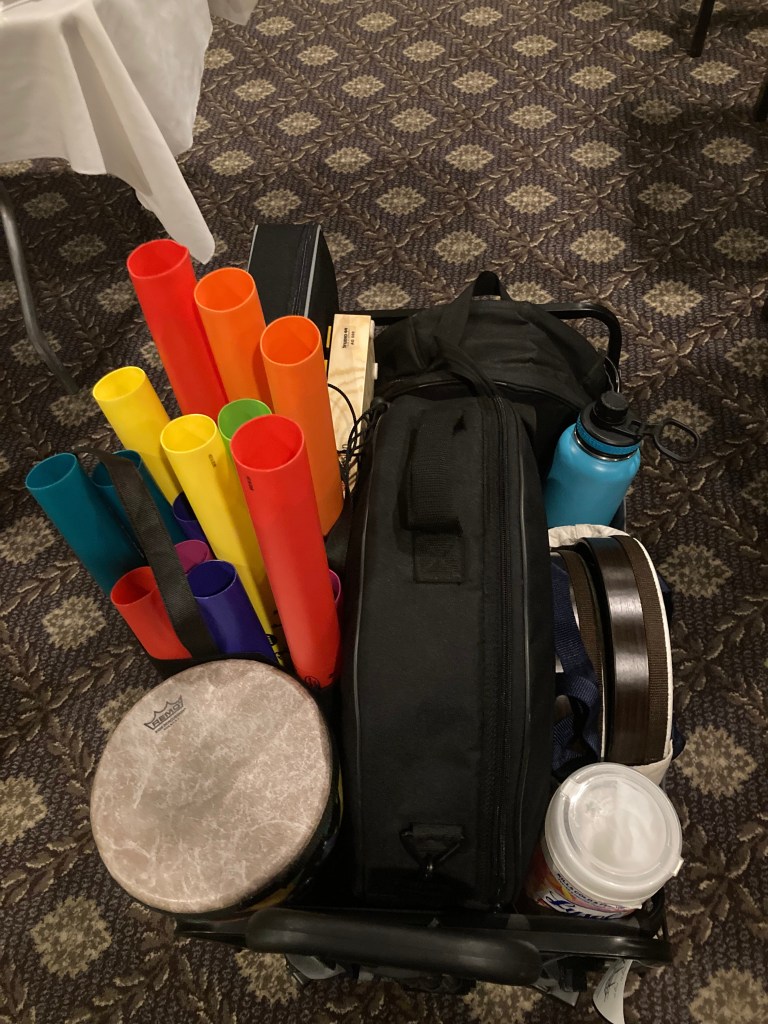
Portable cart filled with various hand-percussion instruments and music therapy equipment

In music therapy, we often utilize the “iso principle” to shift from one emotional state to another. For example, if a client is in an activated state and we would like to support them in down-regulating, we may introduce music that matches the client’s present state (meeting a need for connection and validation, saying “I hear you!”), and gradually adjust the music to shift the feeling in the desired direction (for example: stimulation or relaxation), always taking care to monitor the client’s response and honor their needs in-the-moment.

Anger is not something to suppress or fear—it is information, energy, and a natural human response that deserves to be acknowledged and expressed authentically and in the best interest of the individual. Music therapy offers a flexible, embodied, and deeply human way to explore anger without judgment, overwhelm, or harm. Through rhythm, movement, live music, and creative expression, clients are supported in listening to what their anger is communicating and allowing it to move through the body in a way that promotes regulation, insight, and healing. With skilled guidance, music becomes not just an outlet, but a pathway toward integration and greater emotional well-being.
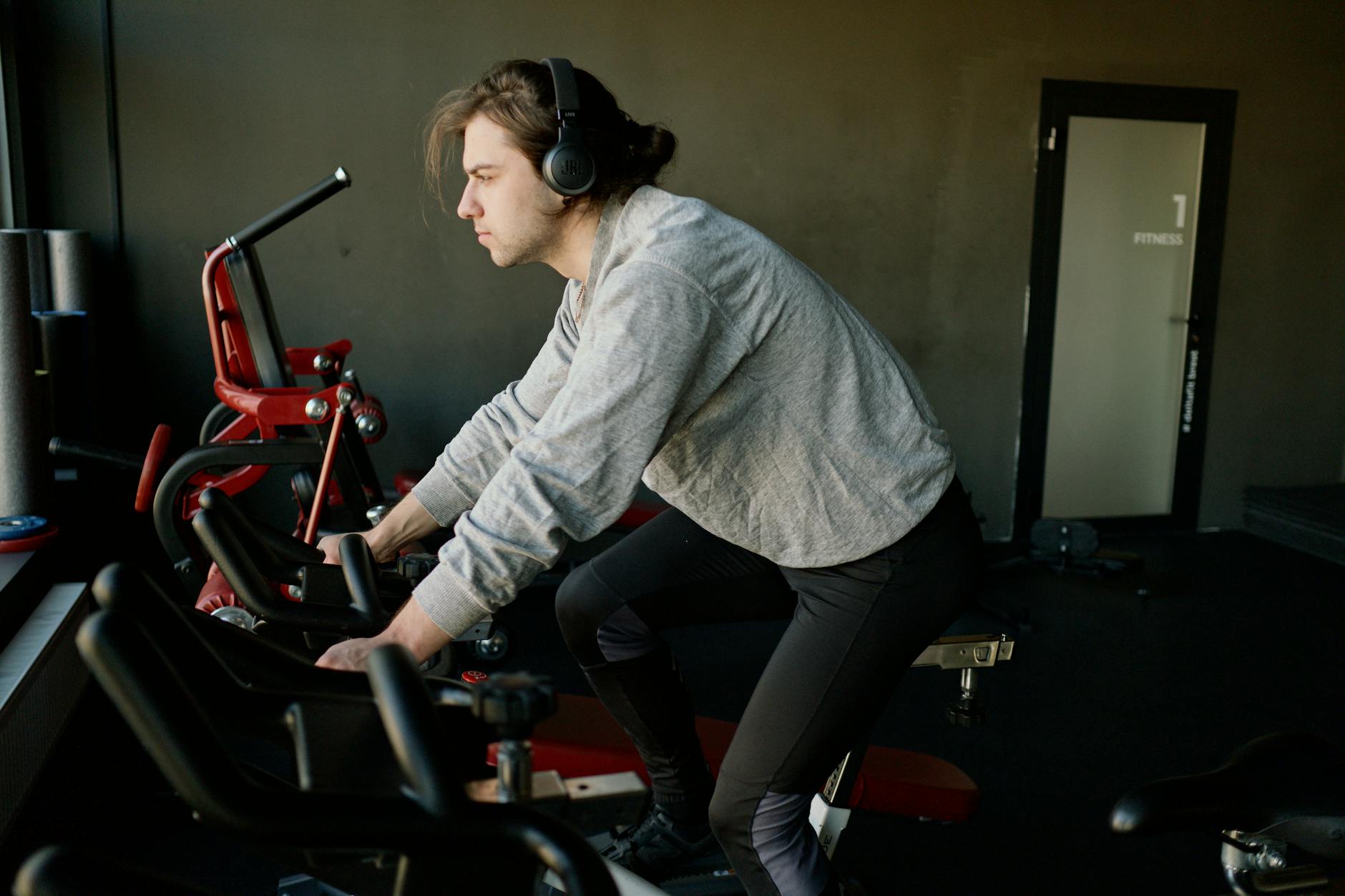
Music as a tool in daily living

Leverage the elements of music & neuroscience

Music can inspire pure joy, elicit an array of emotional and physiological responses, bring us together, put us to sleep or help us wake up. Did you know there are ways to leverage the elements of music to enhance daily living in people of all ages and abilities?

Photo by Ivan Samkov on Pexels.com

Here are a few tips (my favorites are towards the bottom):

  1. Exercise – by synchronizing your movements with the rhythm of music, you can decrease perceived exertion while increasing stamina and repetitions. First, find a speed/tempo that feels natural to you. Then, find a matching BPM (beats per minute) playlist of music from the genre that helps you feel motivated, and try it out!
  2. Decompression playlist – try making a playlist that progresses from an undesired mood state, to a preferred mood state. For example, if you often leave work feeling stressed and you want to arrive home feeling calm and grounded, complete the stress cycle and honor your “difficult” emotions by starting a playlist with music that leans into that state of stress, and ends in the mood state in which you’d like to arrive home. Make a list of all the songs that might help you unwind, then order them from state of most stressed, to state of calm & energized. Make sure to synchronize the length of the playlist with your drive time! (Pro tip: You might find yourself creating multiple versions of this playlist, and that’s okay!)
    • Worried about getting bored? By weaving this music into your daily routine, you will build a subconscious association and cueing that lets your brain and body know it’s time to chill out.
  3. Morning motivation – set yourself up for a great day by starting with music that inspires you and brings you joy! Make a morning playlist that synchronizes with your existing morning routine. It will help you keep on track subconsciously, and get your mind into an optimal state for productivity, joy, clarity, competence, or whichever state you’d like to intend.
  4. Enhance embodiment and mindfulness- feeling stressed? Uneasy? Ungrounded? Uncertain of what you’re feeling? Take a moment for mind-body-soul connection by utilizing vocal toning. You can hum or sing a vowel sound on any note that comes out. How does it feel? Where do you feel it? Is there any emotion, color, texture, image, or thought that accompanies this sound? Can you slide it up and down your vocal register? How does that feel?
    • Release judgement and expectation – this isn’t a performance! It’s an act of presence and self-love that will help you connect with the version of yourself that you want to bring to the rest of the world around you.
  5. Complete the stress cycle by *playing* – in every sense of the word – an instrument! This also involves releasing judgment and expectation. The purpose here is to let go and play, rather than achieve proficiency or perfection. You could use hand percussion, or an everyday household item if you don’t have any instruments. Get rhythmic with it! Have fun! Sing along and see what comes out. Have a piano and don’t know how to play it? Just play around with the black keys and see what comes out. You can play alone, or find a YouTube video of a percussionist to play along with.
    • This suggestion might be challenging to implement or understand! Give Harmony Within: Music Therapy & More a call for help in accessing your musical side, or releasing perfectionism if you are a musician who struggles with perfectionism. Remember – we are all innately musical beings, it’s just a matter of connecting with your inner musicality!

Want to know more? Contact us below:

← Back

Thank you for your response. ✨

Warning
Warning
Warning
Warning.

Do you have ideas? We’d love to hear! Leave a comment below!

Leave a comment

Free Trial Session – This Magic Moment in Music

A virtual group program for people with dementia and their care partners

Photo by Johannes Plenio on Pexels.com

Find a new connection through rhythm and creativity

When someone you love has Alzheimer’s or dementia, it can feel hard to connect like you used to. You want to support them, but you feel drained and distraught as you cope with changes and loss.

Music has the extraordinary power to bring out the very best in people; to bring us into the present moment with joy, intent, and inspiration; to bring us together even when we feel worlds apart; and to bring wellness into the forefront through the modulation of physical and emotional health. Music is interwoven throughout the timelines of our lives, eliciting long-forgotten feelings, memories, sensations, experiences, relationships, and so much more. It calls forth our deepest, most authentic selves from the depths of despair and decline, and bridges the greatest of divides. Music is one of the final threads of connection when a cherished loved one is slipping away, a stubborn holdout amid a sea of loss and change, a lifeline and anchor to provide a sense of safety, dignity, and an authentic shared experience in an otherwise isolating and lonely place.

Join me on Wednesday, January 12th at 11am to see if this new offering is right for you and your loved one. We’ll have an hour and a half of fun and relaxation, creativity and exploration, self-expression and socialization. If you’d like more information, click here to read the full program description.

To register, please fill out this form

For questions, please contact me at: info@bloomsburgmusictherapy.org

This Magic Moment in Music

A New Program for People with Dementia and their Care Partners

Music has the extraordinary power to bring out the very best in people; to bring us into the present moment with joy, intent, and inspiration; to bring us together even when we feel worlds apart; and to bring wellness into the forefront through the modulation of physical and emotional health. Music is interwoven throughout the timelines of our lives, eliciting long-forgotten feelings, memories, sensations, experiences, relationships, and so much more. It calls forth our deepest, most authentic selves from the depths of despair and decline, and bridges the greatest of divides. Music is one of the final threads of connection when a cherished loved one is slipping away, a stubborn holdout amid a sea of loss and change, a lifeline and anchor to provide a sense of safety, dignity, and an authentic shared experience in an otherwise isolating and lonely place.

The person with dementia is not the only one who suffers; those who love them face tremendous loss, stress, loneliness, and new challenges as the condition progresses. Resources for support can be elusive or even impossible to find.

In addition to individual music therapy sessions offered in-home, in-clinic, at continuing care communities, and virtually, we are launching a new community-based, dyad-focused virtual group program to provide support for people with dementia and their caregivers using an empirically-informed music therapy protocol.  Participant needs and preferences will inform the content of each session, which will include stimulation of memory, cognitive exercises, mood regulation, anxiety & stress reduction, focused opportunities for bonding between the individual with dementia and their care partner, music-facilitated mindful and rhythmic engagement with the body, and self-expression through movement and song.

The program will run for 12 weeks, and include the initial aims of:

  • Reduction of behavioral and psychological symptoms of dementia, such as depression, agitation, apathy, aggression, etc.
  • Increased feelings of connection between the person with dementia and their care partner, and between dyads and the group as a whole
  • Maintenance and improvement of cognition 
  • Reduction of caregiver burnout and stress
  • Stimulation of reminiscence and positive emotion
  • Transferable skills, techniques, and exercises to be used outside of sessions 

Virtual programming is often more effective for people with mild-moderate dementia, but all are welcome given the focus on building feelings of connection between the care partner and person with dementia. 

The program can begin once a minimum enrollment threshold has been reached. The cost is $250 per dyad for the entire 12-week session and will include a small package of instruments each pair will have on loan for the duration of the program. 

For questions or to register, please contact Alysha Suley at 570-316-1899 or e-mail info@harmonywithinmusictherapy.com.

Photo by Tima Miroshnichenko on Pexels.com

Music as a Tool in Daily Life

One of the first questions I ask new clients is, “how do you use music?”

Usually, people respond by saying they listen to music in the car, or perhaps they might use music during exercise or while cleaning. Many people use music as a sort of back drop or backing track, if you will, as they go about daily life. Some people use music consciously to change mood states, to increase motivation or to feel more relaxed.

Most people don’t think of music as a tool.

What could be easier in your daily life? Could you benefit from better sleep? Do you need a little extra “oomph” to get in the zone for a good run? Are you uncomfortable with or unable to express yourself verbally? Perhaps you or a loved one struggles with anxiety, and the term “relaxation exercise” or “meditation” sends you into a full-blown panic attack.

Sometimes, I see people choosing good music, with great intentions . . . but it’s not the right music. For example, a good running playlist should feature songs at the right tempo. Music for sleep should remain at a consistent volume, with little variation in tempo, unlike much symphonic music which features dynamic contrasts in tempo and loudness. Variations in music stimulate the mind and grab attention. Music can be used to regulate and modulate physical and emotional states.

Music affects people at a physiological level, reaches into the emotional part of the brain, and stimulates memories. The body naturally entrains with the rhythm in music (try listening to a piece of music while walking and NOT walking at that tempo!), and this includes your heart and respiration rates. As you breathe more deeply and your body relaxes, oxygen saturation increases and cortisol (a stress hormone) decreases. Listening to music can decrease the perception of pain. While exercising, perceived exertion decreases while listening to music. But the music must be up to the task and it must be central to the experience, and the listener engaged and present with the music.

Instead of using music as the background to your daily activities, try centering the music within the experience; focusing mindfully on the music gets the best results. Many people will benefit from multi-sensory engagement with the music, such as noticing where you feel the music in your body, or tapping along rhythmically.

Do you have a loved one who is unable to communicate their musical preferences? Sometimes, families may unknowingly choose music that is distressing or non-preferred for a loved one who is unable to express their discomfort, or unaware of the impact the music is having on their mood or mental state. It can be more difficult for trained musicians to use music to relax; musicians might be more critical of their self-expression, or their expectations might get in the way of their usage of music for a specific purpose. Music therapists are trained to assess musical preference and engage people of all ages and abilities in therapeutic musical experiences.

Almost without exception, all people are inherently musical. Music has been a part of the human experience, in every known culture, since the beginning, and is a part of the human experience beginning at 16 weeks gestation and often not ending until death. With few exceptions (namely amusia, the very rare inability to recognize or reproduce musical tones), nearly everyone can benefit from the intentional inclusion of music in daily life.